Crafting the Culture: How Members within Righteous Brand Community Rally
A clothing house is only as strong as the people who wear it out into the world, and that is where the genuine tale of We Are Righteous gets its start. This isn’t a label constructed merely by marketing dollars orstar-driven placements. It is a label formed in comment feeds, in private group threads, in resale threads, and in how folks tag one another under just one hoodie post from the line. Community has become the core mechanism, and the merchandise is just the excuse for people to gather. When you look closely at how the following took shape, you see a pattern that mirrors other durable streetwear brands: a handful of early devotees who converse, clash, and in time win strangers over as customers.
The reason this certain community stands out is because noteworthy feature is how vocal it remains about candor. Folks go beyond simply posting look shots; they craft detailed, no-nonsense review threads that pick apart the seams, the fit, and the wear-and-wash performance after ten uses. That level of scrutiny is unusual, and it has forced the brand to stay accountable in ways that pure marketing never could. Shoppers essentially help steer quality control, forming a feedback loop — and the brand listens because the community serves as the channel of distribution.
The Spot Where Our Community Truly Resides
It’s no accident: the brand’s audience spreads across a few specific corners of the internet rather than sticking to one dominant platform.
The Instagram feed drives the imagery, with community members sharing outfit posts and tagging the brand handle for the possibility of being reshared.
Discord-like community threads and private forums host the nitty-gritty talk, where restock timing, odd sizing details, and future releases get analyzed line by line.
Reddit conversation chains and independent blogs every so black righteous shorts often bring up a review of we are righteous that goes into a deeper level of analysis than any listing page manages.
Mailing lists continue to count here as well, which surprises people who assume younger shoppers ignore inboxes. Jumping the line on limited releases is commonly the leading cause of newsletter subscriptions, as followers have figured out that righteous apparel drops move quickly and seldom return in that identical color option. That scarcity is not manufactured hype for its own sake; it reflects genuinely limited production runs, and the community treats that fact seriously. Showing up six minutes past a release has become a bit of an inside joke among followers, equal parts irritation and bragging rights.
Neighborhood gatherings have additionally taken to popping up in several cities, arranged without official backing by fans rather than the label itself. They tend to be small gatherings, at times fewer than twenty people, centered on exchanging garments, cross-checking sizing between assorted lines, and capturing looks as a group. Nothing captures organic loyalty quite like this: followers arranging their own events around a clothing brand without being asked, which speaks to plenty about devotion.
Community-Created Content as the Actual Marketing Budget
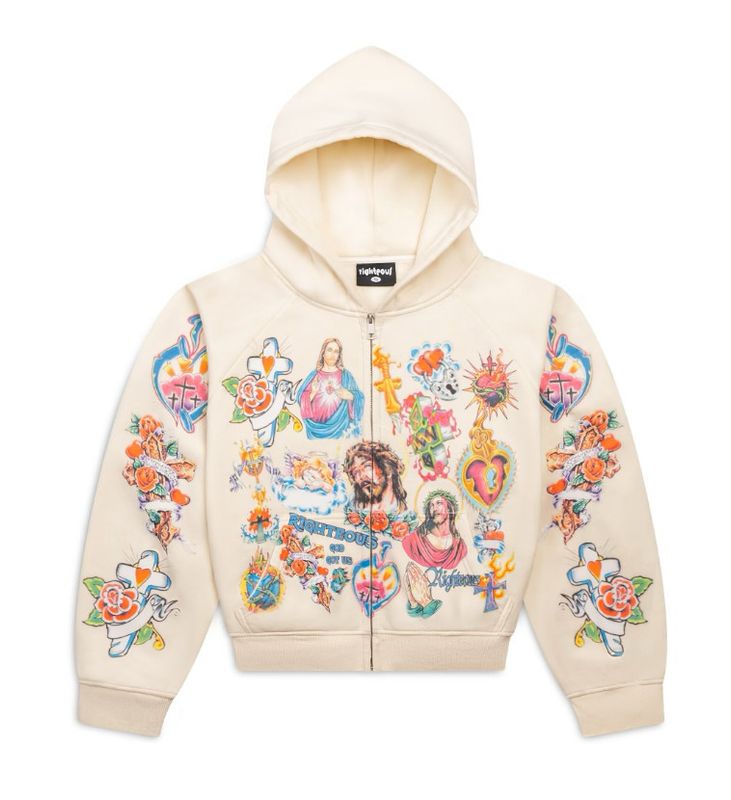
Anyone closely tracking streetwear will confirm the same thing: user-generated content now beats paid campaigns for brands this early in their development. We Are Righteous benefits enormously from this pattern. Just one nicely captured photo of the righteous hoodie styled with contrast outerwear can produce stronger interaction than a studio campaign, purely because it comes from someone the community already trusts. Customers are not paid influencers in the majority of instances; they are buyers who liked how a piece fit and chose to flaunt it.
Where a brand’s own imagery falls short, such material shows actual bodies, natural lighting, and authentic everyday settings. A staged studio shot conveys fit and drape far less persuasively than watching a person wear a piece on a commute, at a concert, or on a weekend getaway. That authenticity is exactly why so many shoppers now search for a righteous review before buying anything, favoring a stranger’s candid take over marketing copy. The community has effectively become the brand’s most convincing sales team, though uncompensated, deeply committed.
There’s also a additional effect worth pointing out. Fans creating content frequently stacks up pieces against other labels they own—unintentionally generating unpaid competitive analysis for onlookers. A shopper researching righteous clothing brand quality can, within a few swipes, see it measured against three or four other names in the same price bracket. That kind oftransparent, casual comparison shopping did not exist in fashion a decade ago, and it has raised the bar for everyone, not excluding this brand.
Weighing Up How Communities Engage
Not every streetwear community operates the same way, and recognizing those differences helps explain why the We Are Righteous fanbase feels distinct. The following table compares general engagement patterns across three standard community types in this space, based on visible behavior rather than company claims.
| Community Type | Main Platform | Main Activity | Usual Posting Rate |
|---|---|---|---|
| We Are Righteous community of fans | Instagram platform + private group chats | Outfit checks, release alerts, candid reviews | Multiple times a week around drops |
| Big mainstream streetwear community | TikTok | Trend-based haul videos, unboxing content | Daily, high volume |
| Specialized reseller and collector community | Discord and forums | Verifying authenticity, tracking prices, trading items | Constant, minimal visual content |
This comparison shows that the We Are Righteous community sits somewhere between the high-frequency chaos of mainstream trend culture and the quieter, more technical world of collector forums. It is visual enough to feel current but detailed enough to feel trustworthy, and that balance is not something a brand can fully engineer on its own.
In What Way Feedback Forms the Item Directly
Righteous apparel decisions are influenced quite noticeably by audience commentary, an aspect that goes overlooked throughout this ecosystem. Adjusted fit notes on future product pages have in the past stemmed from sizing complaints raised in a review thread. Fans themselves keep unofficial tabs on calls for restocking on specific pieces, notifying the brand directly once interest climbs to a noticeable threshold. This isn’t a formal focus group process; it is more akin to an ongoing, unstructured conversation that happens to influence real outcomes.
Community sentiment seems to drive choices about colorways especially. Fans openly ask for that same colorway to return when a limited drop of the righteous hoodie sells out within hours, and those requests accumulate in comment sections until they are hard to ignore. How future runs get planned is shaped by the prominence of that demand, whether or not every request gets fulfilled. Set against the conventional top-down fashion model many are used to, this is a much more open relationship between customer and brand.
Fit consistency has emerged as a notably recurring discussion point. As the community cross-references multiple buys, patterns show up quickly — whether an item fits as expected, runs a touch large, or works best layered. Ahead of checkout, newcomers looking into righteous clothing tend to depend on these shopper-gathered sizing notes beyond the official size chart on its own, using the community’s consensus as an added form of verification.
Here’s What It Signals Looking Ahead to 2026
Rather than weaken, the collective vibe looks set to deepen as the company advances deeper into 2026. More cities are seeing casual meetups take shape, an increasing set of independent reviewers are publishing detailed breakdowns, and more first-time buyers are showing up already primed by someone else’s honest righteous-review testimonial rather than cold advertising. That signals a notably distinct shopper experience versus what most fashion brands go through, and it places demand on product quality to continue keeping pace with the chatter unfolding in its wake.
On top of that, there’s a growing expectation among the fanbase that the brand will stay attentive, not just producing. Fan communities built on this sort of engagement do not tolerate silence well; they anticipate acknowledgment when input brings about change, however minor, like a post caption nodding to a widely-made ask. Because people stay invested in companies that clearly engage back, this dynamic ups the ante while also deepening loyalty.
In the end, the culture around We Are Righteous has been built less by campaigns and more by conversation. Fans comparing fits, arguing over sizing, organizing their own meetups, and publishing unsponsored reviews have done more to define the brand’s identity than any single marketing push could. Since ongoing trust is its whole basis, that grassroots foundation is fragile in some ways—but it is also uniquely resilient. A community that forms on its own tends to stand guard over what it made, and this pattern is apt to continue shaping this brand for years after this one.
Leave a Reply